
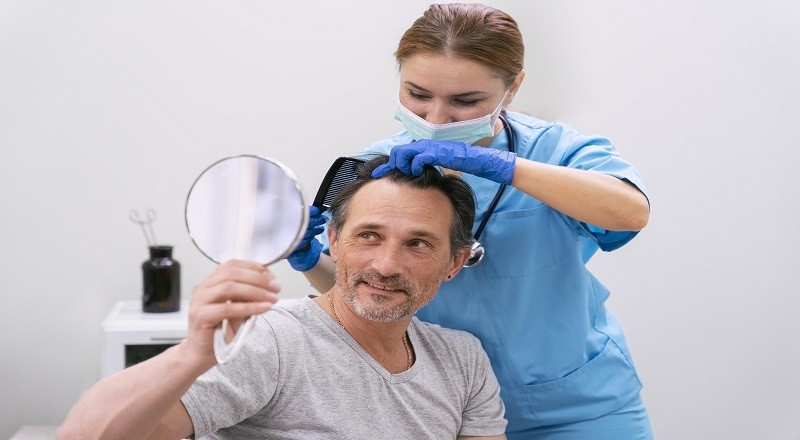
Deciding to restore your hair is a major milestone, and finding the right clinic starts with an initial meeting. If you are researching options for a FUE hair transplant in Florida, understanding what happens during your first consultation can ease your anxiety. This meeting is not just a sales pitch; it is a clinical assessment where a specialist evaluates your hair loss pattern, discusses your goals, and designs a customized plan. Whether you want to fill in a receding hairline or address thinning at the crown, this appointment sets the foundation for your restoration journey. Knowing what to expect helps you prepare the right questions and make an informed decision for your scalp.
Initial Scalp Evaluation and Medical History Review
The first step of your consultation involves a comprehensive evaluation of your scalp and hair. The surgeon uses specialized magnifying tools to examine your donor area, which is typically the back and sides of your head. They measure hair density, follicle strength, and skin elasticity to determine if you have enough healthy grafts for a successful procedure. This evaluation is crucial for patients considering an FUT hair transplant in Florida, as strip harvesting requires sufficient scalp laxity to close the donor site comfortably.
Assessing Donor Hair Density
Your surgeon will count the number of hairs per square centimeter in your donor zone. High-density donor areas allow for more graft extraction, leading to a thicker result.
Health History Analysis
Next, you will discuss your medical history. The doctor needs to know about any chronic medical conditions, current medications, allergies, and previous surgeries. Certain blood thinners or scalp conditions might require you to pause medications or delay the procedure. Being fully transparent during this stage ensures your safety and helps the medical team prevent complications during and after your surgery.
Comparing FUE and FUT Techniques
During the consultation, your surgeon will explain the differences between Follicular Unit Extraction (FUE) and Follicular Unit Transplantation (FUT). Both methods yield excellent, natural-looking results, but they differ significantly in how the hair follicles are harvested. If you choose a FUE hair transplant in Florida, the surgeon harvests individual hair follicles one by one using a tiny micro-punch tool. This method leaves tiny, dot-like scars that are virtually invisible, even with short haircuts.
How FUE Works
FUE is highly popular because it does not require stitches and offers a faster, more comfortable recovery. It is ideal for patients who prefer to wear their hair short or those with active lifestyles who want to return to exercise quickly.
When to Choose FUT
Conversely, FUT involves removing a small strip of skin from the donor area, from which technicians extract individual follicular units under microscopes. While this leaves a linear scar, it often allows for a larger number of grafts to be transplanted in a single session. This makes it a highly efficient option for patients requiring maximum coverage and density.
Designing Your New Hairline
A critical and exciting part of the consultation is designing your future hairline. Your surgeon will use a cosmetic marker to draw a proposed hairline directly on your scalp. This process requires a blend of medical expertise and artistic skill, as the new hairline must look natural as you age. If you opt for an FUT hair transplant in Florida, the placement of the grafts in the recipient area remains just as precise as with the FUE method.
Artistic Hairline Placement
The surgeon considers your facial symmetry, age, head shape, and the natural exit angle of your existing hair. They will avoid creating a straight, artificial-looking line, opting instead for a soft, irregular pattern that mimics natural hair growth.
Managing Expectations
Your surgeon will also be honest about what can be achieved. If you have advanced hair loss, you might not have enough donor hair to restore the density of your teenage years. The consultation helps align your expectations with realistic clinical outcomes, ensuring you are happy with the final density and coverage.
Discussing the Procedure Day and Recovery Timeline
Understanding the logistics of the surgery day helps reduce pre-operative anxiety. Your surgeon will walk you through the timeline of the procedure, which can take anywhere from four to eight hours depending on the number of grafts. If you undergo a FUE hair transplant in Florida, you will remain awake and comfortable under local anesthesia, allowing you to watch movies or read during the extraction and implantation phases.
What Happens on Surgery Day
You will arrive at the clinic in the morning, where the staff will prep your scalp. For FUE, the donor area is usually shaved close to the skin. The surgeon then numbs the area, extracts the grafts, prepares the recipient sites, and carefully places each follicle into its new home.
Post-Operative Care Instructions
Recovery is relatively straightforward but requires diligence. You will receive detailed instructions on how to wash your hair, sleep with your head elevated, and avoid strenuous physical activity. The first week is critical for graft survival, so following these guidelines ensures the newly transplanted follicles anchor securely into your scalp.
Cost, Financing, and Choosing Your Surgeon
A thorough consultation must address the financial investment required for hair restoration. The total cost depends on the complexity of your case, the number of grafts needed, and the technique used. Often, an FUT hair transplant in Florida can be more cost-effective per graft than FUE, making it an appealing option for patients on a budget who require a significant number of grafts.
Breaking Down the Costs
The clinic will provide a detailed, written quote during your visit. This quote should include surgeon fees, facility fees, anesthesia, and post-operative follow-up appointments. Many clinics offer flexible financing plans to help make the procedure more affordable over time.
Selecting a Qualified Specialist
Do not base your decision solely on price. Look for a board-certified surgeon with extensive experience in hair restoration. Ask to see a portfolio of before-and-after photos of previous patients with similar hair loss patterns to evaluate the consistency and quality of their work.
Conclusion
Attending a consultation is the most important step toward restoring your hair and your confidence. This initial meeting allows you to evaluate the clinic, understand the differences between FUE and FUT techniques, and receive a personalized treatment plan tailored to your unique hair loss pattern. By preparing your questions and understanding what to expect, you can confidently choose the best path forward. Whether you choose a minimally invasive FUE procedure or a high-yield FUT surgery, partnering with an experienced specialist in Florida ensures you achieve natural, long-lasting results that will enhance your appearance for years to come.