
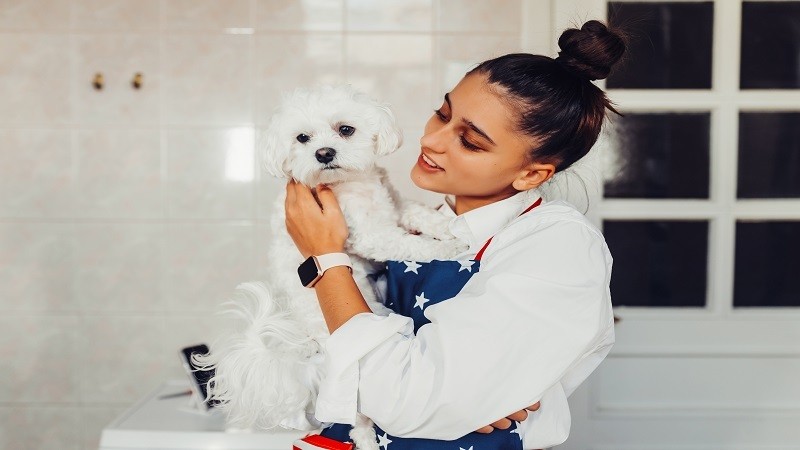
Pets are an important part of many families. They bring companionship, comfort, and enjoyment into the home, but they also need regular care, attention, and a safe environment. Families that understand their pet’s daily needs can create healthier routines and build a stronger relationship with them.
Guide Lovelolablog focuses on simple ways families can organize pet care without making it complicated. From feeding and exercise to grooming and health checks, small daily habits can make a noticeable difference in a pet’s comfort and overall well-being.
Create a Consistent Feeding Routine
A regular feeding schedule helps pets know when to expect their meals and makes it easier for families to monitor how much they are eating. Different animals and breeds may have different nutritional needs, so families should choose food that is suitable for the pet’s age, size, and activity level.
Fresh water should also be available throughout the day. Water bowls should be cleaned regularly because dirt, hair, and food particles can collect inside them.
Families should also avoid giving pets too many treats. Treats can be useful for training and rewards, but they should not replace balanced meals.
Make Exercise Part of the Daily Routine
Physical activity is important for keeping pets active and preventing boredom. Dogs may need daily walks and outdoor play, while cats can benefit from toys, climbing spaces, and interactive games inside the home.
Some simple activities include:
- Taking dogs on regular walks
- Playing fetch in a safe area
- Using interactive toys for cats
- Creating climbing or scratching areas
- Allowing supervised outdoor activity when appropriate
Exercise should match the pet’s age and energy level. Young and active pets may need more playtime, while older pets may be more comfortable with shorter and gentler activities.
Keep the Home Safe for Pets
A home that is comfortable for people may still contain hazards for animals. Families should check rooms and outdoor spaces for objects or substances that pets could accidentally eat, break, or become trapped in.
Cleaning products, medicines, electrical cables, small objects, and certain foods should be kept out of reach. Doors, gates, windows, and fences should also be checked to prevent pets from escaping.
Through Guide Lovelolablog, families can approach pet safety as part of their normal household routine instead of treating it as a separate task.
Maintain Regular Grooming
Grooming helps pets stay clean and can also allow families to notice changes in their skin, fur, nails, or ears.
The type of grooming needed depends on the animal. Common grooming tasks include:
- Brushing the coat
- Trimming nails
- Cleaning ears when necessary
- Checking paws
- Bathing when appropriate
- Maintaining dental hygiene
Long-haired pets may need more frequent brushing to prevent tangles. Pets that spend time outdoors may also need regular checks for dirt, ticks, or other problems.
Grooming can become easier when it is introduced gradually and handled calmly. Rewarding pets after grooming may also help them become more comfortable with the process.
Pay Attention to Changes in Behavior
Pets cannot explain when they feel uncomfortable, so their behavior often provides useful clues. Families should pay attention to changes in appetite, sleep, movement, energy, or social behavior.
For example, a normally active pet that suddenly becomes quiet or refuses food may need closer attention. Other changes such as excessive scratching, unusual drinking habits, difficulty walking, or repeated vomiting should not be ignored.
Keeping track of noticeable changes can also help families provide clearer information if they need to speak with a veterinarian.
Schedule Routine Veterinary Care
Regular veterinary visits are an important part of responsible pet ownership. A veterinarian can check a pet’s general health, discuss vaccinations, monitor weight, and identify health concerns that may not be obvious at home.
Families should also know where the nearest veterinary clinic is and keep important contact details available in case of an emergency.
Guide Lovelolablog encourages families to combine everyday observation at home with professional veterinary care when needed. Home care supports a pet’s routine, while veterinarians provide medical assessment and treatment.
Give Pets a Comfortable Personal Space
Pets also need a place where they can rest without being disturbed. This may be a bed, crate, quiet corner, or another comfortable space inside the home.
Their resting area should be clean, dry, and suitable for the temperature. Families with children should teach them to respect the pet’s resting and eating spaces.
A predictable environment can be especially helpful for pets that become nervous around visitors, loud sounds, or changes in household routines.
Help Children Learn Responsible Pet Care
Caring for a pet can help children learn responsibility, patience, and respect for animals. However, adults should remain responsible for making sure the pet receives proper care.
Children can participate in simple tasks depending on their age, such as:
- Filling the water bowl
- Helping prepare food
- Brushing the pet gently
- Putting away pet toys
- Joining supervised walks
- Helping keep the pet’s area clean
Parents should show children how to handle pets safely and recognize when an animal wants to be left alone.
Spend Quality Time Together
Pet care is not only about food, grooming, and health. Pets also benefit from interaction with the people around them.
Playing, walking, training, or simply spending quiet time together can strengthen the relationship between a family and its pet. Regular interaction may also help families understand their pet’s normal behavior, making unusual changes easier to notice.
A healthy routine does not need to be complicated. What matters most is consistency, attention, and understanding what works for the individual animal.
Conclusion
Taking good care of a pet becomes easier when families follow a simple daily routine. Proper food, exercise, grooming, a safe environment, and regular veterinary care all help support a pet’s health and comfort.
Guide Lovelolablog highlights practical habits that families can follow every day. With consistent care and attention, families can build a stronger bond with their pets and help them live happier, healthier lives.